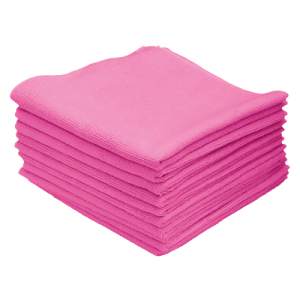
 There are very few cleaning tasks that have as dramatic and impactful an effect as cleaning your windows, whether it is a commercial or a residential property. Windows are one of the first things that people notice as they approach your property, and properly cleaned and maintained windows increase the amount of natural light that enters the property and contribute to an overall sense of cleanliness. What many people don’t realise is that the secret to the perfectly sparkling window is not necessarily in the cleaning solution used, but rather in choosing the correct cleaning cloth for the job.
By making the right choice of cloth, you will end up with streak and lint-free windows that will make your property stand out. In this article, we will examine the various types of window-cleaning cloths, explaining how they work, and help you identify the best option for your specific needs based on material science, usability and real-world performance. At Davis & Moore, we manufacture all of the clothes mentioned in this article, so whatever clothes you decide on, you can purchase them confidently from a reliable, well-established UK-based company.
Why Does the Cloth Matter More Than the Cleaner
The main problem with cleaning windows is that glass is a challenging surface to clean. This is essentially because glass is a non-porous surface, which means that it shows every streak, fibre and piece of residue. The harsh reality is that many streaking problems, which are attributed to cleaners, are in fact caused by choosing the wrong cloth. The key problems that a poor quality cloth can cause include, but are not limited to
- Lint was left behind on the glass.
- Uneven absorption, which can then lead to smearing
- Moving dirt and debris around the window rather than removing it at the source
- Residue from fabric softeners or detergents
The ideal window-cleaning cloth will absorb moisture efficiently, lift dirt without scratching, and leave no fibres or residue.
The Five Factors Professional Window Cleaners Think About When Buying Cloths
- Lint-Free Performance
Perhaps the most important factor of all when choosing a window cleaning cloth is ensuring that it does not leave any lint behind. - Absorbency
The cloth must hold enough liquid in order to absorb any cleaning fluid and dissolved dirt without repeated passes. - Surface Safety
The cloth should not scratch glass, window film, or coated surfaces. - Durability
Frequent washing should not degrade performance. - Ease of Use
The cloth should glide smoothly and maintain structure when wet.
Why Microfibre Cloths Are The Best Option for Cleaning Windows
Microfibre cloths have revolutionised the window cleaning industry because they essentially solve all of the aforementioned issues. Microfibre is a synthetic blend normally made from polyester and polyamide, which has been engineered at a microscopic level. Each fibre is split into ultra-fine strands, which then create a large surface area relative to the size of the cloth itself. It is this unique structure that delivers the following benefits.
- Electrostatic attraction that pulls dust and dirt off the glass, almost like a magnet, grabbing and removing the dirt and debris, rather than just moving it from one area to another.
- Capillary action. The large surface area absorbs liquid efficiently and quickly, reducing smears and leaving a streak-free finish.
- Mechanical cleaning Microfibre cloths are the perfect window cleaning cloths because their design ensures the optimum clean as part of the mechanical process of wiping the window. Unlike, for instance, a paper towel, a microfibre cloth from Davis & Moore works with you to absorb and remove dirt rather than just smearing the window. A high-quality microfibre cloth does not just wipe the glass—it captures and removes contaminants.
Choosing the Right Microfibre Cloth for Streak-Free Clean Glass Every Time
Although Microfibre cloths are all relatively similar in design, there are obviously differences in quality and, as a consequence, the end result. Additionally, there is a range of different microfibre cloths designed for different purposes. When you are choosing a microfibre cloth to add to your window cleaning kit, you need to consider the following specifications.
Weave Type
The type of weave needed for a window cloth varies from that of a dusting cloth, for instance. To clean windows, you need a tight, flat weave.
GSM (Grams per Square Meter)
Although we are getting a little technical here, the optimal range for a window cloth is between 250 and 350 grams per square metre. If you choose a cloth that is too light, then it will not have sufficient absorbency to collect any excess water. However, if it is any heavier than our recommendations, you run the risk of leaving streaks during the cleaning process, which is essentially what you are trying to avoid and which is also very frustrating.
Edge Construction
Whatever cloth you choose to clean windows will need to have some sort of edge built into it to maintain its shape and essentially hold it together. Look for a microfibre cloth that has an ultrasonic cut or silk-bond edges, as this will prevent any scratching or linting.
Color Coding
Although this has nothing to do with the manufacture of the window cloth, choose a different colour from all of your other cloths and use that colour only for window cleaning. This prevents any cross-contamination with oils or chemicals.
Care and Maintenance of Your Microfibre Cloth
Although a microfibre cloth is not a huge expense, you still want to maximise its lifespan. Some tips to do this include
- Always wash microfibre cloths separately from cotton fabrics.
- During a wash cycle, cotton cloths shed lint. This lint clogs the microfibres’ tiny fibres and reduces their effectiveness.
- Use mild detergent only – For mostly the same reasons, when cleaning your microfibre cloths, only ever use a mild detergent. Harsh chemicals, fragrances, dyes and even fabric softeners in regular detergents can clog up those delicate fibres. In addition to blocking the fibres, it also ruins their electrostatic charge capabilities, which in turn reduces their ability to trap dust, dirt and moisture, reducing both their effectiveness and their lifespan.
- Air dry or tumble dry on low heat – It’s important to understand that what makes microfibre cloths so good as a glass cleaner is their tiny, delicate fibres. If you tumble dry them on a high heat, you run the risk of melting or hardening the synthetic fibres, which in turn makes them less soft, less absorbent, and in turn makes cleaning less effective. By following these small but simple tips, your microfibre cloths can last for hundreds of wash cycles.
If you want the Best Cloth for Cleaning Windows plus streak-free shine, amazing efficiency, and low cost every time, choose microfibre cloths from Davis and Moore. For questions or to purchase, call our customer service team today at 0161 848 8008.