There is little doubt that microfibre cloths have become the number one cleaning cloth in the United Kingdom today. This is due in no small part to their exceptional ability to trap dust, to lift grease, to polish a broad range of surfaces and to absorb spills quickly, especially when compared to traditional cleaning cloths. However, it is important to understand that not all microfibre cloths are of the same quality, and indeed, there are numerous different types of these cloths on the market today.
You need to take into consideration different thread counts, blends, and sizes before choosing the type of cloth you need for the job at hand. This guide aims to increase your knowledge and expertise, ensuring that you can make an informed decision and choose the best microfibre cloth for performance, longevity and value for money. At Davis & Moore, we are one of the leading providers of microfibre cloths in the United Kingdom, which is why we are perfectly placed to provide you with our knowledge and guidance.
What is it That Makes Microfibre Cleaning Cloths So Unique?
Microfibre is a synthetic material which is manufactured from ultra-thin fibres, typically polyester and nylon. One of the key differences about this material is that each fibre is much thinner than a single human hair; in fact, we are talking up to 1/100th the thickness. This is what gives microfibre clothes their special, some might even say magical characteristics. These specifically are
High surface area: The fine fibres combined with the manufacturing process create millions of tiny spaces to trap dust, dirt and liquid.
Static charge: Microfibre naturally attracts dust and particles without chemicals, meaning that, unlike traditional cloths, the dust is pulled away from the surface that needs to be cleaned rather than just moved around it.
Absorbency: Microfibre cloths benefit from being highly absorbent; in fact, the cloths we produce at Davis & Moore can hold up to seven times their weight in water.
Non-abrasive: These cloths are gentle, making them ideal for cleaning delicate surfaces like computer screens, chrome, and glass. You won’t risk scratching valued items while cleaning.
These features make microfibre perfect for a wide range of cleaning tasks — from wiping kitchen counters to polishing cars.
Important Terms To Know And Understand When Purchasing A Microfibre Cloth
As with most purchasing decisions, knowledge is power, and in the world of microfibre cloths, there are indeed a number of terms you need to familiarise yourself with.
- GSM (Grams per Square Metre): This measures the density of the cloth. When choosing a cloth, depending on the task you have in mind, you probably want to invest in the highest GSM-rated cloth. This is because the higher the GSM, the thicker it will be, which in turn makes it more absorbent and durable. Typical ranges are:
- 200–300 GSM: Light duty, suitable for dusting and glass.
- 300–400 GSM: All-purpose household cleaning.
- 400–600+ GSM: Heavy-duty cleaning, automotive, polishing.
- Blend Ratio: Most cloths are a mix of polyester and polyamide (nylon). A common ratio is 80/20 (80% polyester, 20% polyamide). Polyamide tends to increase absorbency and softness, so again, look for a mix where polyamide is as high as possible.
- Weave Type: Microfibre cloths are designed for a range of different tasks, which is why you should choose the weave type carefully.
- Terry cloth: This will have lots of looped fibres, which make them perfect for drying off cars after a wash due to their high absorbency.
- Waffle knit: Grid pattern, great for streak-free surfaces.
- Flat weave: Smooth finish, often used for polishing.
Before Choosing The Best Microfibre Cloths UK, Think About What You Want Them to do.
Everyday Household Cleaning Tasks
When it comes to general cleaning around your home, such as wiping down household surfaces, sinks, appliances, and tiles, your best bet is to choose an all-purpose cloth with a GSM between 300 and 400. These cloths are perfect for everyday use as they strike the perfect balance between absorbency and versatility, making them ideal for damp or dry cleaning with or without cleaning solutions.
Glass, Mirrors and Screens
Often, the most challenging surfaces to clean are glass, mirrors and television or computer screens, which need a microfibre cloth with a GSM of 200 to 350. It also needs to have a tight weave and a lint-free finish. At Davis & Owen, for instance, we always ensure that our lint-free cloths mention that fact on their packaging. Make sure that you avoid textured or heavy cloths, as those are much more likely to leave streaks on shiny surfaces.
Polishing and Detailing (Cars, Stainless Steel, Chrome)
Polishing your precious car is a job that requires a specialist microfibre cloth. A cloth that will trap dirt inside the cloth itself, ensuring that dirt or grit does not scratch your precious paint. A high GMS cloth somewhere between 400 and 600 plus is perfect for stress-free buffing. Automotive enthusiasts often express a preference for split-microfibre or ultra-plush cloths for their paintwork and detailing.
Heavy-Duty Cleaning
When the time comes to deal with tough cleaning jobs such as kitchens, bathrooms, ovens or other excessively greasy or grimy jobs, then you need a high GSM cloth. This game-changer will deliver high absorbency and unbeatable cleaning power, time and time again, ensuring that those all too painful specific tasks are much easier and less frustrating to complete.
Delicate Surfaces (Wood, Fine Furnishings)
For cleaning delicate surfaces that scratch easily, use soft, non-abrasive microfibre cloths with a smooth finish. Waffle or flat weaves are gentler than looped terry weaves.
Microfiber Cloths – How To Look After And Maintain Your Lint-Free Cloth For As Long As Possible
Like any type of tool, it is essential that you look after your microfibre cleaning cloths properly after using them. There are specific ways to wash these clothes to ensure they retain their incredibly plush finish, continue to attract dust, stay soft and remain absorbent.
How To Wash Your Microfiber Cloths
When the time comes to wash your microfiber towels or microfiber cloths, you should always endeavour to wash them separately from your other clothes. Avoid washing with cotton or lint-producing fabrics, as the lint will become attached to your cloths, reducing their efficiency. Use a mild detergent, and always avoid fabric softeners and bleach, as these two cleaning products will clog up your microfibres, which will then reduce their effectiveness and ability to remove dirt. Avoid hot washes as these can also melt the delicate microfibres and therefore cause long-term harm to the product.
Drying
You can air-dry or even tumble-dry your microfiber cloths, provided you choose a low heat. Avoid dryer sheets or high heat, as this will again risk damaging the delicate fibres. When storing the clothes, ensure they are dry to prevent any mildew from forming.
After Use
- Rinse microfibre towels immediately after heavy cleaning to remove any debris.
- Avoid leaving clothes damp in piles; hang them to dry.
Packs vs. Individual Cloths
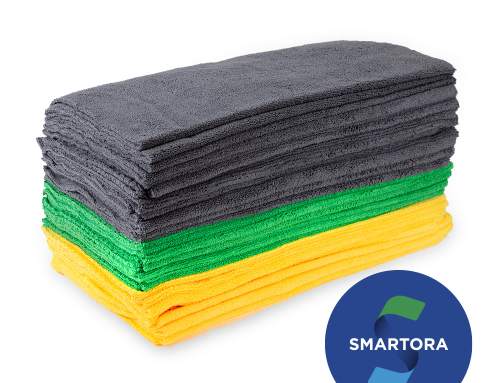
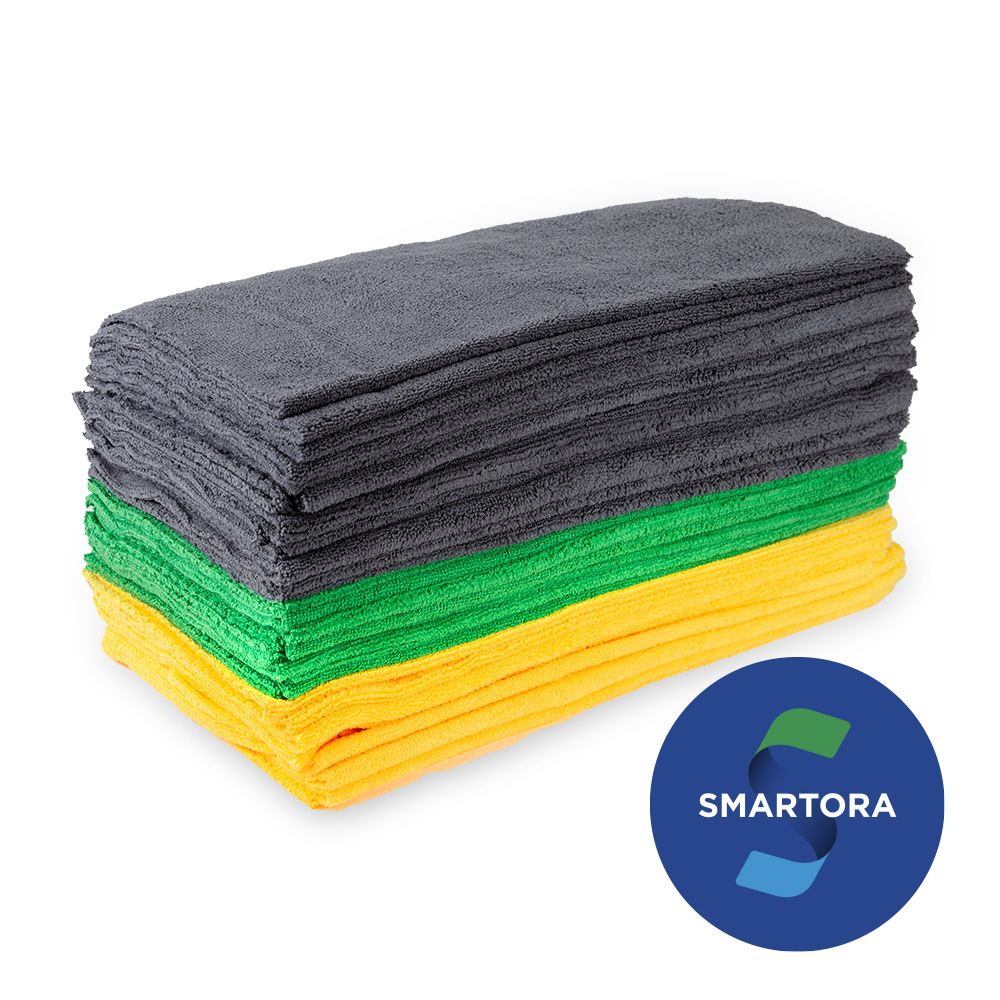
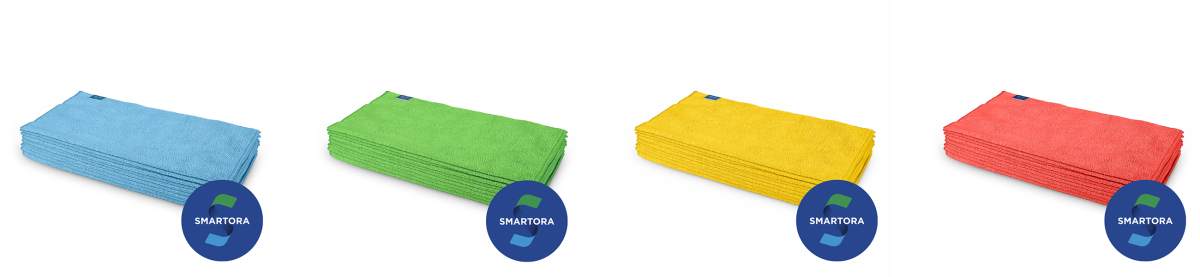
Microfibre cloths are typically sold in packs of 5, 10, 20 or more. Buying a pack of clothes can be helpful because most packs include a variety of sizes and types for different tasks. Because you are buying more than one, the cost per cloth typically drops. You should then always have replacement clothes on hand in case of an emergency.
Speak To The Davis & Moore Customer Service Team For All of Your Microfibres Cleaning Cloth Requirements
When it comes to producing, developing and supplying absorbent high-quality microfibre products in the UK, Davis & Moore are at the cutting edge. We supply some of the biggest companies in the United Kingdom, whilst at the same time retaining old-fashioned, professional and courteous customer service.
Whether you want to talk about becoming a customer, or have questions about your individual needs or requirements, our customer service team are always available to guide and assist you throughout the process. To talk to our team, you can visit the website or give us a call on 0161 848 8008