Car detailing has become a cut-throat business in the last few years, with seemingly endless new providers entering the industry. Even if you have an established business, never become complacent or rest on your laurels; it is critical that you do everything in your power to maintain your advantage and grow your business. Every aspect of your business needs to be constantly evaluated, and there is no better place to start than by ensuring you have the best microfibre cloths possible in your toolkit.
Whilst it may be true that both enthusiasts and professionals spend thousands of dollars on high-tech dual-action polishers, ceramic coatings and premium waxes, the magic really happens when using a quality microfibre cloth from Davis and Moore. The reality, which not everyone understands, is that a high-quality detailing microfibre towel is a precision-engineered instrument. In fact, using an inferior or indeed the right cloth incorrectly can destroy many hours of compounding and polishing by introducing fine scratches and marring to your clear coat. Let’s examine the science behind premium microfibre cloths, learn how to decode the technical specifications and then match the correct cloth to the specific detailing task.
The Anatomy of a Microfibre Towel: Why It Outperforms Traditional Cloths
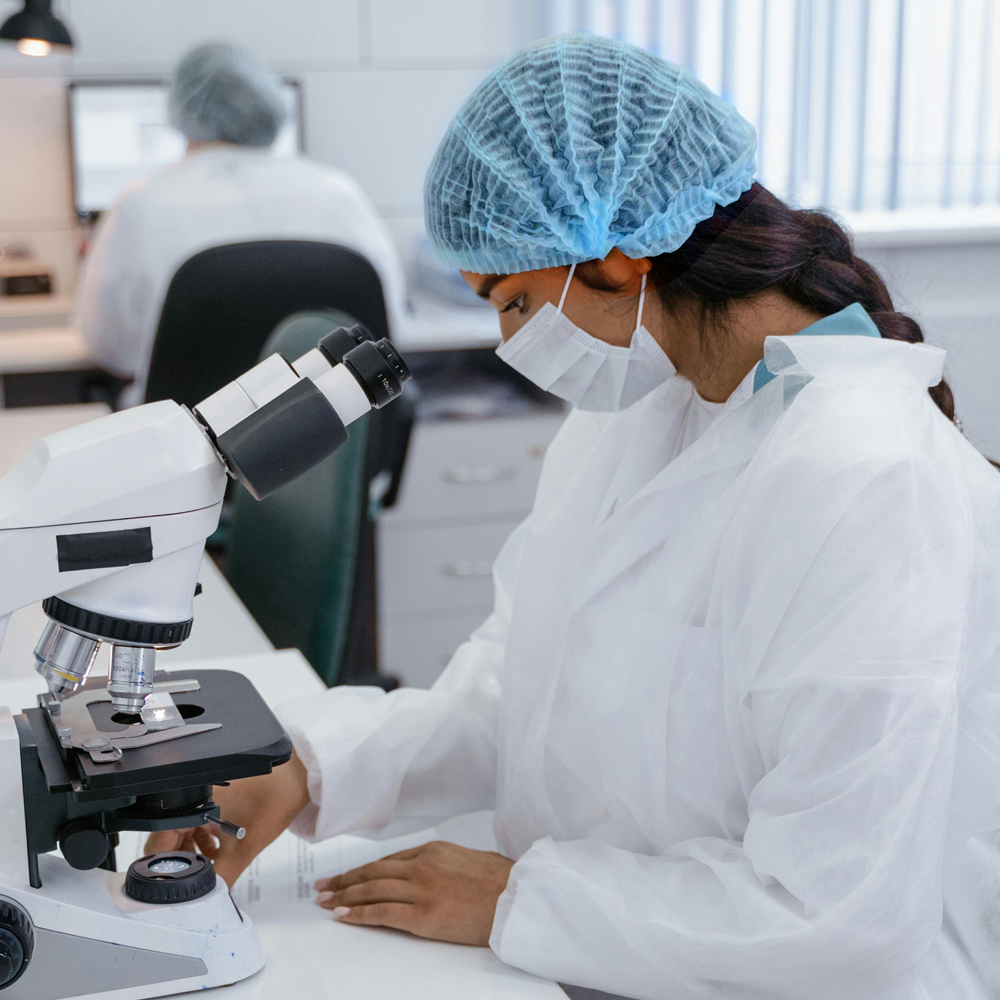
What exactly is the difference between a high-quality microfibre cloth and an old t-shirt? We need to take things down to an almost granular level by using a microscope. A microfibre is a synthetic fibre that measures less than 1 denier (a unit of linear mass density equal to 1 gram per 9,000 meters of fibre). For context, a strand of detailing microfibre is roughly 1/100th the diameter of a human hair.
These cloths are primarily woven from a blend of two polymers: polyester and polyamide. Polyester provides the structural integrity, durability, and scrubbing power, while polyamide (essentially nylon) provides incredible absorbency and softness.
During manufacturing, these ultra-fine fibres are chemically split. This splitting process creates a star-shaped polyester core surrounded by polyamide wedges. The resulting microscopic structure is, by design, filled with millions of tiny hooks, channels, and crevices. It is these hoods and crevices which give microfibre drying towels their secret sauce. This is because, rather than simply moving dirt around or smearing the dirt, which is in essence what a normal cloth does, a microfibre drying towel acts like a mechanical vacuum. It traps small particles of dirt within those channels, effectively lifting them completely off the paintwork and insulating them from the surface to prevent scratching.
Understanding The Specifications of a Microfibre Drying Towel
The Blend Ratio – The first thing you need to understand is the blend ratio of any microfibre cloth you intend to purchase. This ratio is the percentage of polymer present in the fabric. Typically, you will find that the two most common mixtures are
80/20 (80% Polyester / 20% Polyamide): This is the standard utility blend. It is highly durable and cost-effective, making it excellent for general cleaning, interior wiping, and removing dirty residues from wheels or engine bays.
70/30 (70% Polyester / 30% Polyamide): This is the premium blend. The higher concentration of polyamide makes the towel significantly safer, softer, and more absorbent, and safer for delicate clear coats. This blend is universally preferred for final buffing, wax removal, and quick detailer sprays.
GSM (Grams per Square Metre) –
GSM is a standardised measurement that indicates the weight and density of the fabric. A higher GSM typically indicates a thicker, plusher towel with longer loops or piles.
150 – 250 GSM (Low Pile / No Pile): This type of cloth is perfect for glass cleaning, navigation screens, and light interior dust removal.
300 – 400 GSM (Dual Pile / Short Pile): The ultimate cloth for polish removal, wax wiping and even interior leather cleaning.
500 – 600 GSM (Medium to High Pile): Designed for waterless or rinseless washing, quick detailers, and delicate final buffing.
800+ GSM (Ultra-Plush / Twisted Loop): Engineered strictly for heavy-duty vehicle drying and rapid moisture absorption.
Do not fall into the trap of believing that a higher GSM always means a better quality cloth. A thick 600 GSM towel is perfect for buffing off a spray way, but it will very quickly become clogged, heavy and ineffective if you try to use it to wipe away oily, sticky compounding residues. Always aim to match the GSM to the viscosity and resistance of the product you are trying to remove.
The Microfibre Matrix: Matching the Correct Cloth to the Correct Task
To avoid cross-contamination and ensure optimal efficiency, a detailer should categorise their microfibres by weave style and application:
The All-Rounder: Short-Pile Weave (300-350 GSM)
These tightly woven towels offer excellent “bite” or mechanical grip. They are perfect for cutting through sticky polish films, removing flashing ceramic coating residues, or wiping down leather seats.
The Ultimate Finish: Long-Pile Plush Weave (500-600 GSM)
One of the key benefits of this type of cloth is its long, fluffy fibres, which provide a safe cushion for delicate, clear coats. They are designed for jobs with minimal lubrication, such as applying a gloss-enhancing quick detailer or doing a final buff to remove wax haze. The long pile allows light dust or debris to sink deep into the cloth, away from your paint.
The Glass Master: Waffle Weave or Diamond Weave
Standard plush towels often leave lint on glass surfaces. Glass-specific microfibers utilise a flat, cross-hatched pattern resembling a miniature kitchen waffle. This design doesn’t have exposed fibre loops to catch and shed; instead, the physical pockets trap dirt and water while gliding smoothly over glass without leaving streaks or haze.
The Super Absorbent Sponge: Twisted Loop Drying Towels
Modern drying towels often feature “twisted loop” technology, where long strands of microfiber are spun into tight, double-twisted loops. This drastically increases the towel’s surface area and capillary action. A single high-quality twisted loop towel can easily absorb several litres of water, allowing you to dry an entire SUV without needing to wring it out once.
Place Your First Order Today
At Davis and Moore, we are one of the leading providers of microfibre cloths in the United Kingdom. Our customer service team is friendly, knowledgeable, and focused on providing a superior experience for our customers.
If you are looking for the ultimate highly absorbent microfibre cloth for cleaning cars, want to discuss buying in bulk or simply want to ask some advice, then call our team today on 0161 848 8008